
Table of Content
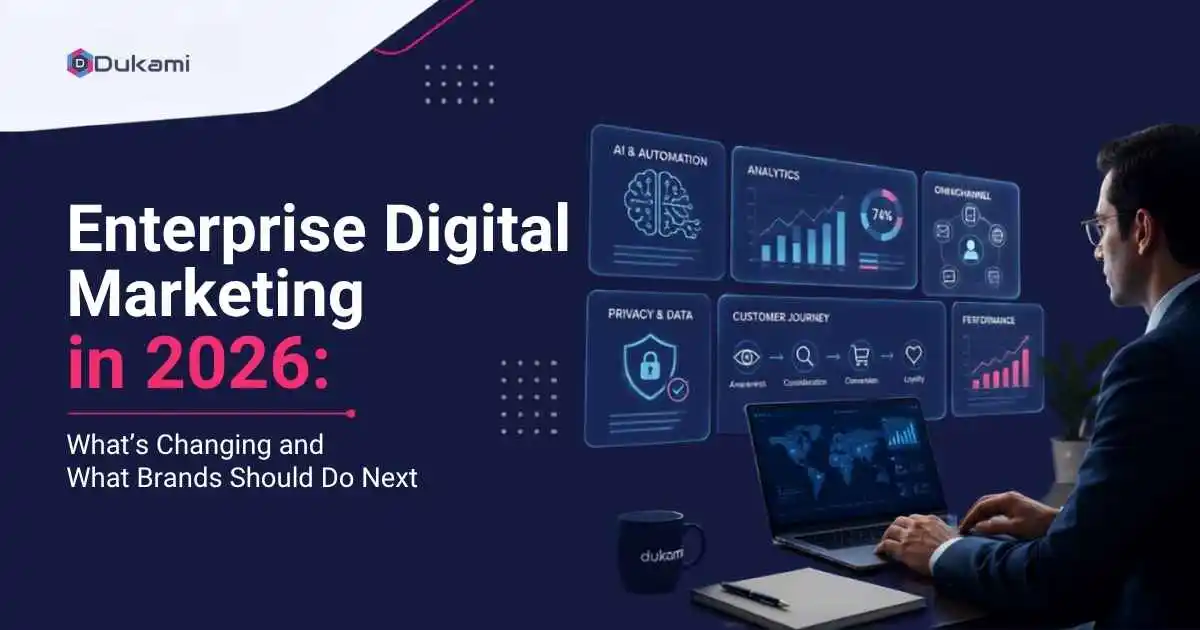
Enterprise marketing is entering a period where yesterday’s advantages can quickly become tomorrow’s gaps. Customers now expect faster answers, useful experiences, and consistent interactions across every digital touchpoint.
At the same time, technology keeps changing how brands attract, understand, and serve customers. AI can reshape workflows, privacy rules can change data practices, and new platforms can influence customer behavior.
However, technology alone will not create growth. Brands need clear priorities, strong data, adaptable teams, and a willingness to rethink established methods.
The question is no longer whether digital marketing will change. The real question is whether your enterprise can change with it.
Understanding the Future Landscape of Enterprise Digital Marketing
The enterprise digital marketing trends 2026 will reflect a deeper shift toward intelligent, connected, and customer-focused marketing. Large brands will increasingly connect technology, customer data, content, and campaign decisions.
The future of digital marketing will also depend on how well enterprises balance automation with human judgment. AI can process huge amounts of information, but people still provide context, creativity, and strategic direction.
This shift reflects the wider marketing technology evolution happening across enterprise organizations. Marketing platforms are becoming more connected, while automation is reducing repetitive work.
Meanwhile, digital transformation in marketing is moving beyond new software. It now involves changing processes, team structures, measurement systems, and customer experiences.
Brands that treat transformation as an ongoing process can respond faster to market changes. Those that rely on fixed playbooks may struggle when customer expectations shift.
Key Changes Shaping Enterprise Digital Marketing by 2026
Several major changes will influence how enterprise brands plan and execute digital marketing. These changes will affect technology, customer expectations, privacy, and channel management.
AI Becomes Part of Everyday Marketing
AI and machine learning in marketing will support tasks such as content analysis, audience segmentation, forecasting, and campaign optimization. Marketing teams will increasingly use AI to find patterns that human teams may overlook.
However, human oversight remains essential. Brands need clear review processes for important decisions, customer-facing content, and sensitive information.
Experiences Become More Personal
Customers increasingly expect brands to understand their needs and preferences. Therefore, personalized customer experiences will become a stronger competitive factor.
Enterprises can use behavioral signals to tailor content, offers, recommendations, and communication. Yet personalization must remain useful rather than intrusive.
Search Keeps Expanding
Search will continue moving beyond traditional typed queries. Voice search optimization will matter as customers use conversational interfaces across devices.
Brands should create clear answers and natural-language content. They should also organize information so search systems can understand context.
Privacy Gains Greater Importance
Data privacy regulations will continue influencing how enterprises collect, store, process, and use customer information. Marketing teams must understand consent requirements and data governance.
Privacy can no longer sit only with legal or technology teams. Marketing leaders need to build privacy into campaign planning.
Customers Move Across Channels
Customers rarely follow one straight path from awareness to purchase. Therefore, omnichannel marketing strategies will become increasingly important.
Brands need consistent messaging across websites, search, social platforms, email, apps, and other touchpoints. Each channel, including enterprise email marketing, should support the larger customer journey.
The Role of Emerging Technologies in Enterprise Marketing Strategies
Emerging technologies can give enterprise marketers new ways to understand audiences and improve experiences. However, brands should adopt technology based on business value rather than novelty.
Automation tools for marketing can handle repetitive tasks such as reporting, lead routing, campaign triggers, and audience updates. This allows marketing teams to spend more time on strategy and creative work.
Augmented reality marketing can create interactive product experiences. Retailers, manufacturers, and other brands can use immersive features to help customers visualize products before purchasing.
Blockchain for marketing may support stronger transparency around certain data and transaction processes. Its practical value will depend on use cases, infrastructure, and customer adoption.
Predictive analytics can help marketers estimate future customer behavior. Teams can use these insights for demand forecasting, audience planning, and resource allocation.
Meanwhile, marketing AI platforms can bring several capabilities into connected workflows. The strongest results will come when enterprises integrate these tools with existing systems.
Technology should solve a clear problem before it earns a place in the marketing stack.
How Brands Can Adapt and Stay Competitive in the Evolving Digital Marketing Landscape
Adaptation requires more than adding new software. Enterprises need to revisit how they plan, execute, measure, and improve marketing activities.
Start with regular digital marketing strategy updates. Review customer behavior, channel performance, technology changes, and competitive movements. Then adjust priorities based on evidence.
Agile marketing approaches can help teams respond faster. Short planning cycles allow marketers to test ideas, learn from results, and make timely changes.
A strong customer-centric marketing model should guide these decisions. Instead of asking what a channel can do, teams should ask what customers need at each stage.
Enterprises should also focus on integrating new technologies into existing workflows. A new platform should connect with relevant systems and support measurable business goals.
Finally, connect every major initiative to marketing ROI improvement. Growth matters, but efficient growth matters more at enterprise scale.
Best Practices for Enterprise Brands to Future-Proof Their Digital Marketing Efforts
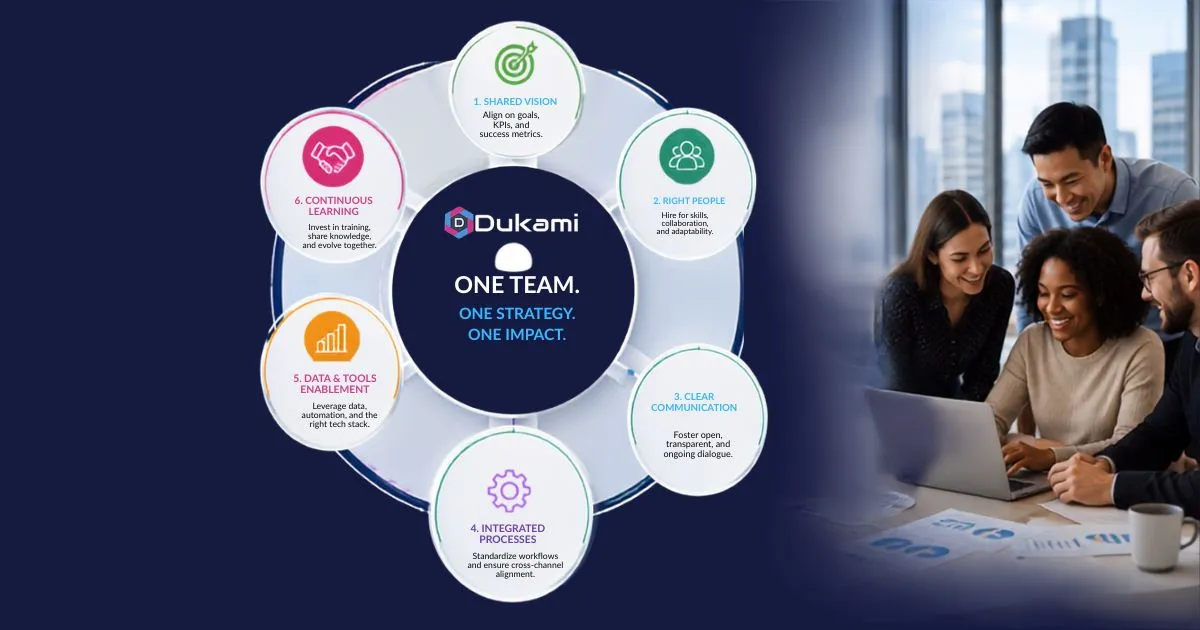
Future-proofing does not mean predicting every technology trend correctly. It means building an organization that can respond when conditions change.
Make Decisions With Reliable Data
Data-driven decision making gives teams stronger foundations for planning and optimization. Leaders should define consistent data standards across departments and platforms.
Keep Teams Learning
Continuous learning and innovation helps marketers adapt as tools, platforms, and customer habits evolve. Training should cover both new technologies and changing customer expectations.
Build Privacy Into Marketing
Privacy compliance should become part of campaign planning from the beginning. Teams should understand how data is collected, stored, shared, and used.
Connect Every Customer Touchpoint
Multichannel engagement works best when customers experience consistent brand values across channels. Enterprises should connect messaging, customer data, and service experiences.
Protect Brand Trust
Brand authenticity can become a major differentiator in an automated marketing environment. Customers still value honest communication, clear information, and genuine brand behavior.
The strongest future-ready brands will combine technology with trust. They will automate where useful while keeping people at the center of important decisions.
Conclusion
Enterprise digital marketing in 2026 will reward brands that combine adaptability, intelligence, privacy, and customer focus. Technology will continue changing, but strong marketing fundamentals will remain important.
The winners will not necessarily adopt every new platform first. Instead, they will identify meaningful opportunities and turn them into useful customer experiences.
Brands should strengthen their data foundations, develop adaptable teams, and connect marketing channels. They should also test emerging technologies with clear goals and measurable outcomes.
The future belongs to enterprises that can evolve through effective enterprise digital marketing strategies.. By combining innovation with customer trust, brands can build digital marketing systems prepared for 2026 and beyond.
FAQ's
Don't wait to bring your digital dreams to life. Contact us now to schedule a consultation and let's take the first step towards your project's success.
