
Table of Content
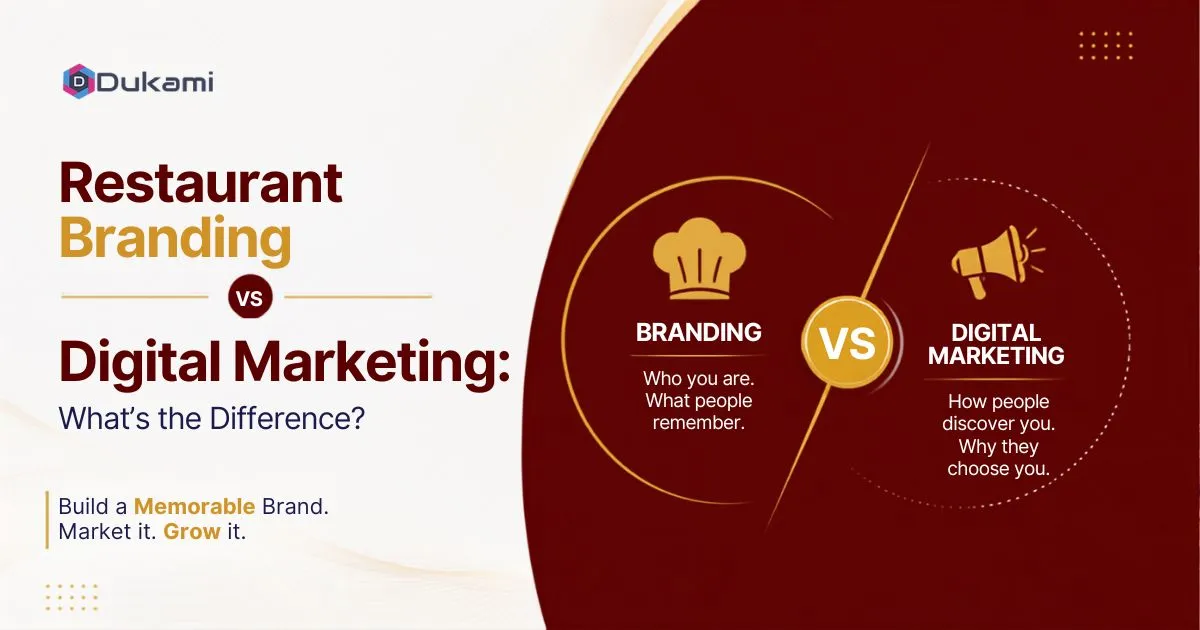
Imagine two restaurants serving equally delicious food. One has a line of customers. The other struggles to fill tables. The difference is not always the menu or the prices. Often, it comes down to perception. It also depends on how easily customers can find the restaurant.
Many restaurant owners think branding and digital marketing mean the same thing. However, they solve two very different business challenges. One shapes your restaurant's identity. The other brings your restaurant in front of the right audience.
Understanding the difference helps you make smarter marketing decisions. It also prevents wasted spending and supports steady business growth.
What Is Restaurant Branding?
Your restaurant branding is the identity of your business. It creates the first impression before anyone tastes your food.
Branding includes your logo, colors, menu design, and website style. It also includes photography, messaging, and customer experience. It also reflects your restaurant's personality. Some restaurants feel premium. Others feel fun, family-friendly, or modern.
Strong branding helps customers recognize your business instantly. It also creates trust and emotional connections. People often choose restaurants that match their lifestyle and preferences.
For example, two burger restaurants may serve similar meals. However, the one with a memorable brand often stands out. Customers remember the experience, not only the food.
In simple words, branding answers one important question: Who are you as a restaurant?
What Is Restaurant Digital Marketing?
Restaurant digital marketing promotes your restaurant through online channels. It helps potential customers find your business and encourages them to visit.
Digital marketing includes SEO, Google Ads, social media marketing, and email marketing. It also covers online reputation management, local listings, and content marketing.
Each channel serves a different purpose. SEO improves your visibility in search engines. Social media builds engagement with your audience. Paid advertising brings faster traffic. Email marketing encourages repeat visits.
Unlike branding, digital marketing focuses on measurable results. You can track website visitors, reservations, phone calls, and online orders. This makes it easier to measure campaign performance. You can quickly identify the best-performing campaigns.
In simple words, digital marketing answers another important question: How will people find your restaurant?
Restaurant Branding vs Digital Marketing
Both support business growth, but they have different roles.
| Restaurant Branding | Restaurant Digital Marketing |
| Builds identity | Promotes the business online |
| Creates emotional connections | Generates traffic and leads |
| Focuses on long-term recognition | Focuses on measurable results |
| Includes logo, design, messaging, and experience | Includes SEO, PPC, social media, and email |
| Builds customer trust | Brings new customers |
| Makes the restaurant memorable | Increases online visibility |
How Branding and Digital Marketing Work Together
Branding and digital marketing deliver better results together. One builds recognition, while the other attracts attention.
Imagine running successful ads for your restaurant. People visit your website. However, outdated branding makes them leave. In this case, your marketing budget delivers weaker results.
Now imagine strong branding without marketing. Your restaurant looks impressive. However, few people discover it online.
Strong branding improves marketing performance. Effective digital marketing introduces your brand to new audiences.
Together, they help restaurants increase awareness, trust, and customer loyalty.
Common Mistakes Restaurants Make
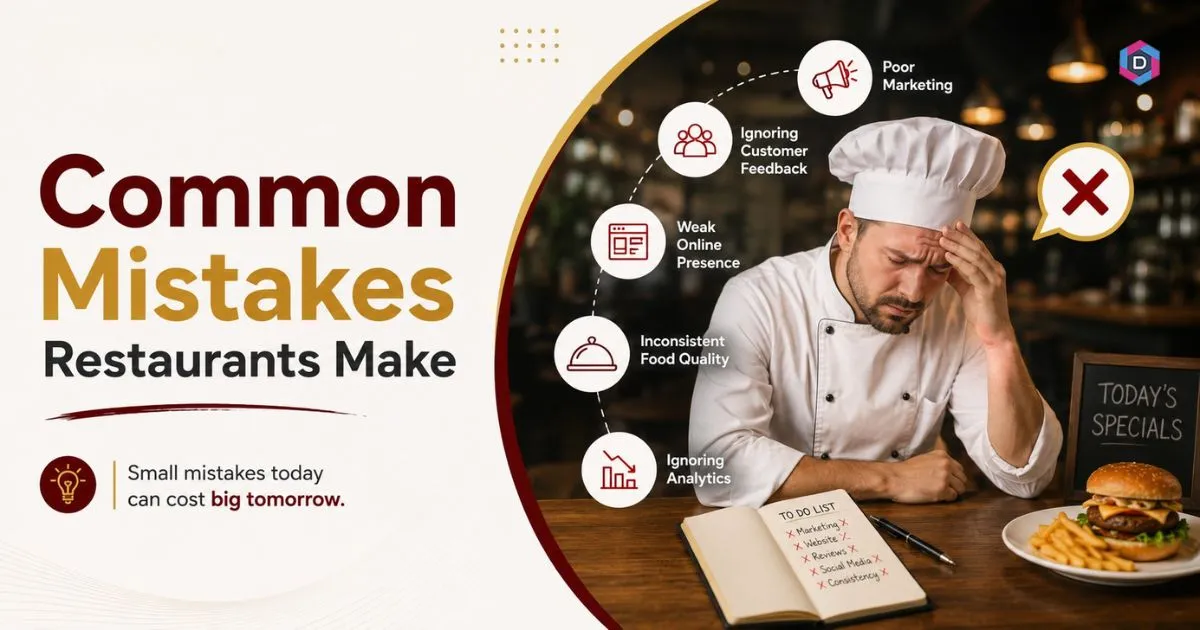
Many restaurants struggle because they focus too heavily on one area.
Some invest heavily in social media advertising. However, they ignore building a strong brand identity.
Others spend months designing logos, menus, and interiors. However, they ignore SEO, online reviews, and local search visibility. As a result, fewer customers discover them online.
Another common mistake is inconsistent branding. Different colors, messages, and images across platforms confuse potential guests.
Some restaurants stop marketing after launching. However, digital visibility requires consistent effort. Competitors continue promoting their businesses every day.
Avoiding these mistakes creates a stronger foundation for steady growth.
When Should You Focus on Branding?
Branding deserves extra attention during important business changes.
You should focus on branding if:
- You are opening a new restaurant.
- You are changing your restaurant concept.
- Your logo and visual identity look outdated.
- Customers struggle to remember your business.
- Your brand no longer reflects your target audience.
Strong branding creates consistency before increasing marketing investments.
When Should You Invest More in Digital Marketing?
Digital marketing becomes the priority when your restaurant already has a clear identity.
You should invest more in marketing if:
- You need more reservations.
- Website traffic remains low.
- Local competitors appear above you online.
- Online orders have slowed down.
- You want faster business growth.
The right marketing strategy helps more customers discover your restaurant when they search online.
Why Restaurants Need Both Branding and Digital Marketing
Successful restaurants rarely rely on only one strategy.
Branding creates recognition. Digital marketing creates visibility. Together, they attract new customers. They also encourage repeat visits.
A memorable brand encourages people to choose your restaurant. Effective marketing reminds them to visit again.
This combination also improves customer loyalty. Guests who enjoy a consistent experience often recommend their favorite restaurants. Positive online reviews further strengthen your reputation.
Instead of competing against each other, branding and digital marketing support the same business goal.
They help restaurants grow steadily while building lasting customer relationships.
How to Build a Winning Restaurant Growth Strategy
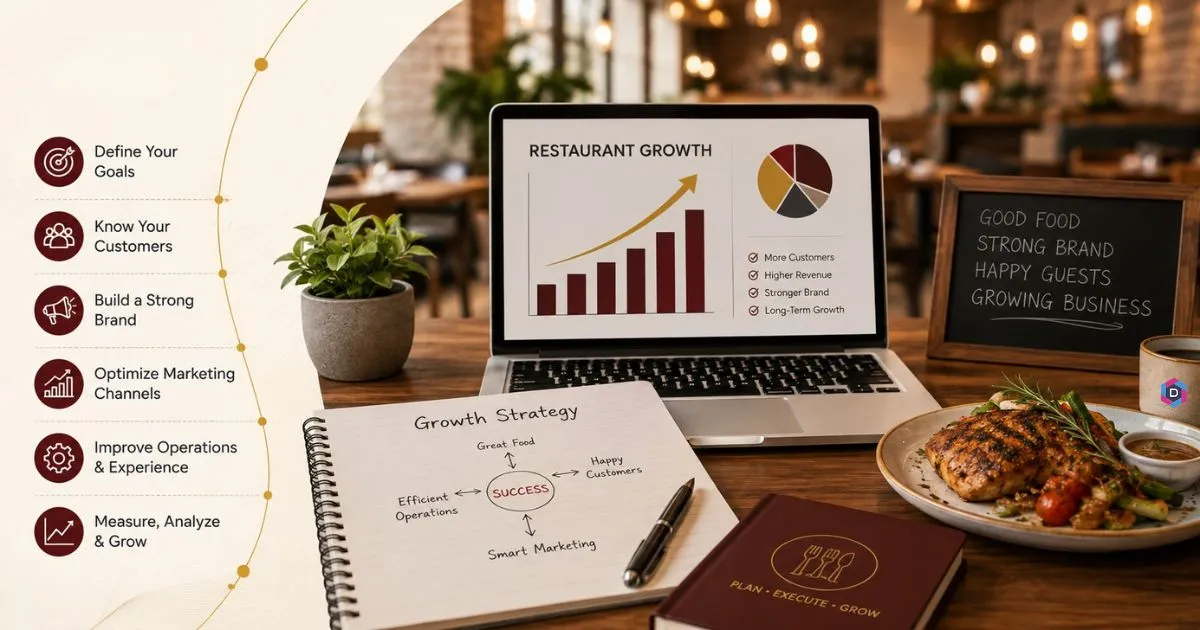
Start by defining your restaurant's identity. Create consistent branding across your website, menus, and social media. Keep the customer experience consistent too.
Next, build a digital marketing plan based on your goals. Invest in SEO, local search optimization, and social media. Add paid advertising and reputation management.
Track results regularly and adjust campaigns when needed.
Working with an experienced marketing partner can simplify the process. Dukami combines strong branding with data-driven digital marketing. This helps restaurants improve visibility, attract customers, and support long-term growth.
FAQ's
Conclusion
Many restaurant owners think they must choose between restaurant branding and restaurant digital marketing. In reality, they need to invest in both.
Branding gives your restaurant a memorable identity. Digital marketing presents that identity to the right customers. It reaches them when they are ready to choose. Together, they help increase visibility, build trust, and encourage repeat visits.
If your goal is long-term growth, treat branding and digital marketing as partners. Never see them as competitors. When they work together, your restaurant has a much better chance of standing out in a crowded market.
Don't wait to bring your digital dreams to life. Contact us now to schedule a consultation and let's take the first step towards your project's success.